



Benefits

Monitor multiple devices in one place instead of checking them one by one. Bring distributed data into a single view to understand the bigger picture faster.

Compare data from several devices at once to identify patterns, anomalies, and performance differences that are hard to spot in isolated views.
Apply calculations like averages and other rollups across selected devices to turn raw telemetry into clearer operational insights.


See It in Action

How it Works
Ubidots helps you aggregate and visualize data from multiple devices in a single dashboard, making it easier to compare assets, track trends, and understand performance across your operation.
Build a multi-device dashboard and choose the devices you want to monitor together. Group up to twelve devices in one view to centralize analysis across assets, sites, or systems.


Use metrics, charts, tables, and maps to represent device data in ways that support comparison and aggregation. Depending on the widget, Ubidots can display side-by-side values, multiple device traces, or aggregated calculations across selected devices.
Spot anomalies, benchmark performance, and uncover operational patterns without switching between dashboards. By turning distributed telemetry into shared visual context, teams can make faster and more informed decisions.


Key Features
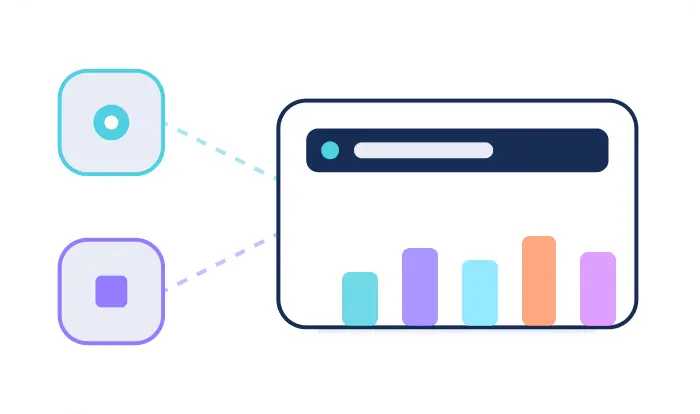
Visualize and compare multiple devices in one place. Detect patterns and monitor performance across your entire system.
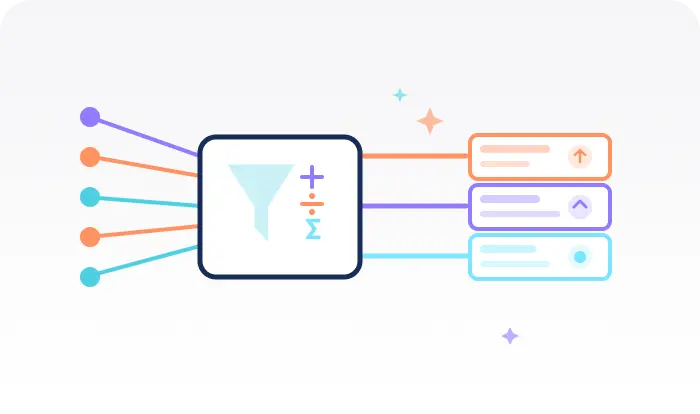
Filter, group, and calculate IoT data to reveal key insights. Focus on metrics that drive performance.
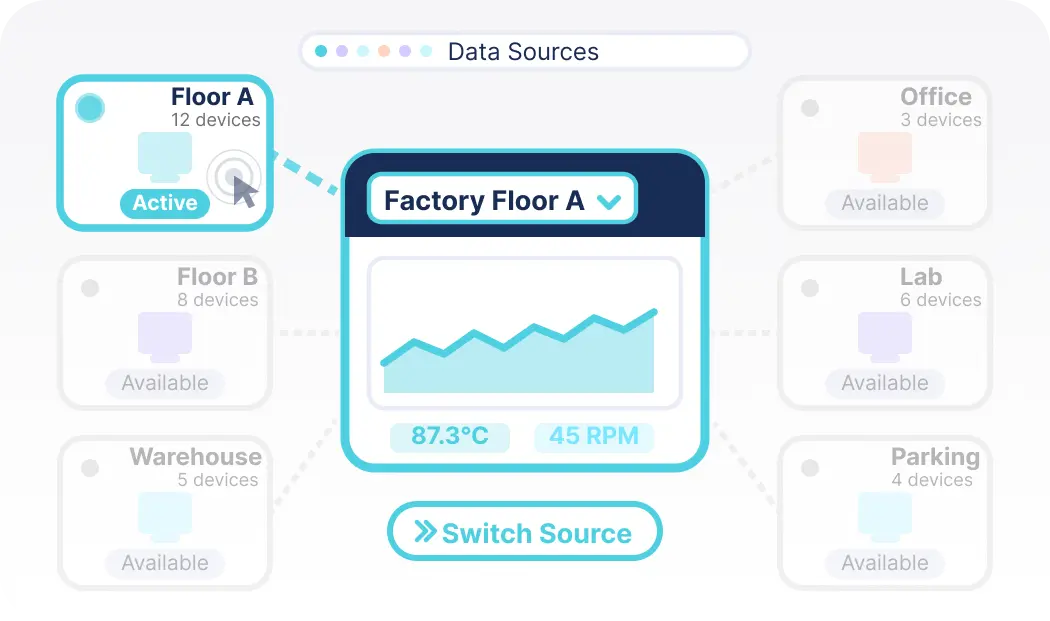
Dashboards adapt as your data changes. Instantly switch devices or merge data streams in real time.
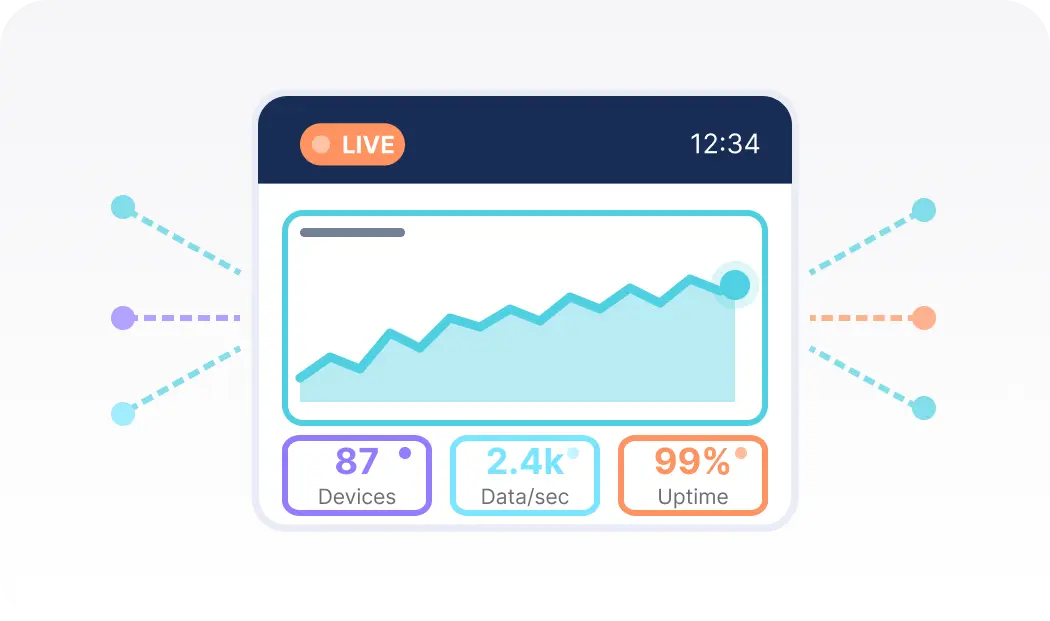
See IoT data update instantly. Track live operations or pause to analyze, ensuring full visibility and control.
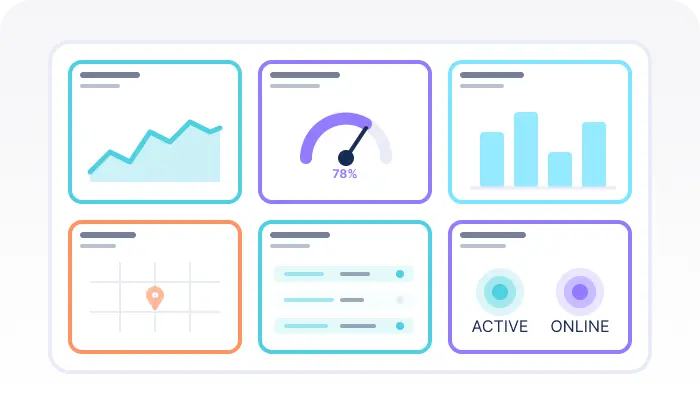
Choose from over 20 widgets to visualize and control IoT data—from simple metrics to advanced SCADA-style views.
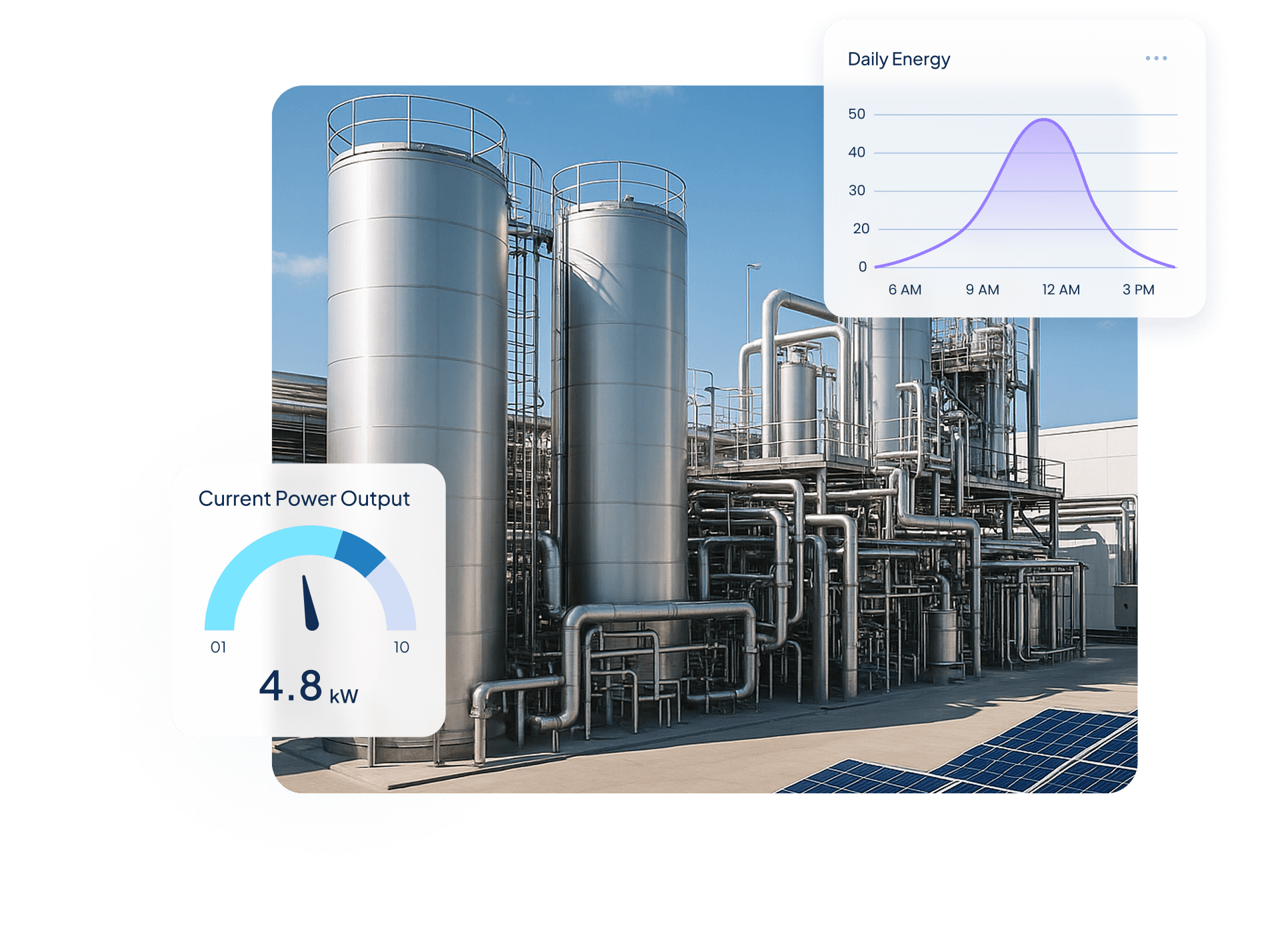
Quantify Environmental uses wireless IoT sensors and Ubidots dashboards to turn utility data into real-time insights, helping industrial clients monitor water, energy, and gas use, detect inefficiencies, and act before costs rise.

$250,000+ in annual client savings through optimized water, electricity, and gas consumption.
Millions of liters of fresh water conserved and tons of CO₂ emissions prevented driving measurable sustainability outcomes.
Improved operational oversight with real-time visibility into utility usage and equipment performance.
Success Story


Use Cases


Steve Barker
Founder & CEO
Prospect Control uses Ubidots to deliver remote tank level monitoring for industrial customers, replacing complex PLC/SCADA setups with a scalable, web-based IoT solution.
Results:

Darryl Schembri
General Manager
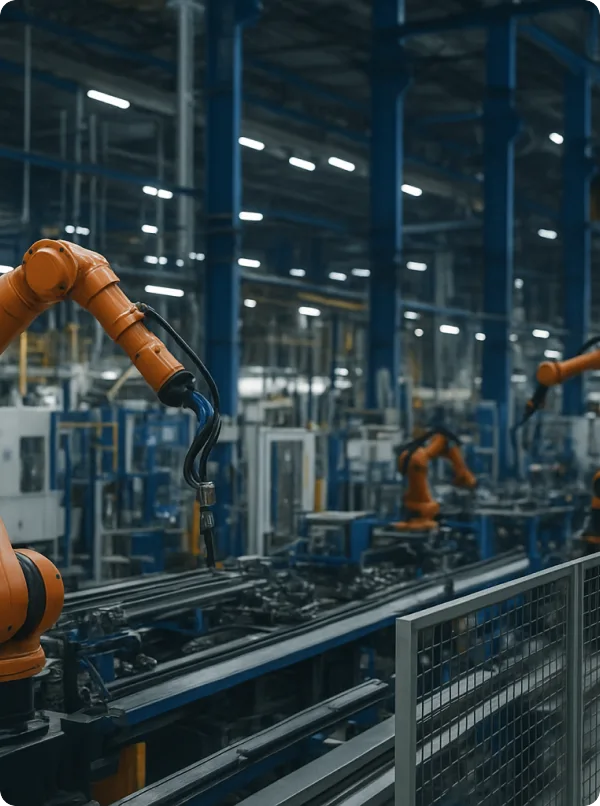
AIS Technology uses Ubidots to monitor electricity, water, and gas consumption across multi-tenant buildings, enabling real-time visibility, automated billing, and faster response to inefficiencies.
Results:

Onofre Tamargo
CEO & Cofounder
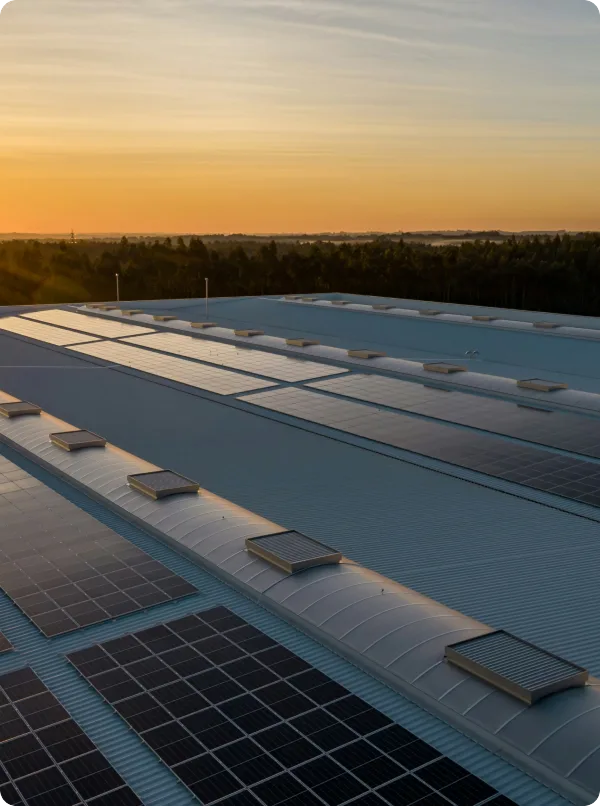
S4IoT uses Ubidots to remotely monitor irrigation systems in urban gardens, helping clients reduce maintenance costs, prevent plant loss, and shift from manual operations to a scalable subscription-based model.
Results:

Help & Support
Have questions about Ubidots? Here are some ofthe most common queries to help you get started.

Data aggregation in Ubidots lets you combine, compare, and visualize data from multiple IoT devices in a single dashboard. Instead of checking each device individually, you can apply calculations like averages and rollups across a group of devices, spot trends, detect anomalies, and monitor fleet-level operations in real time — all without writing custom code.
You can group up to twelve devices in a single multi-device dashboard view. Each dashboard updates dynamically as new data arrives, and you can use any of Ubidots' 20+ widget types — including charts, tables, metrics, and maps — to represent and compare device data side by side in real time.
Ubidots lets you filter, group, and calculate across device variables — applying operations such as averages, sums, and statistical rollups to fleet-level data. Combined with Synthetic Variables, you can define custom math expressions that run in real time across multiple devices, turning raw sensor readings into meaningful, actionable metrics.
Data aggregation is widely used for energy monitoring (comparing electricity, water, and gas consumption across facilities), industrial IoT (tracking equipment or inventory levels across multiple sites), smart irrigation, and fleet-level utility management. Any operation that requires comparing or consolidating readings from multiple devices benefits from multi-device aggregation dashboards.