




Benefits

Store custom metadata like location, owner, installation date, and status alongside every device.

Filter and search your fleet by any property value to find exactly what you need instantly.

Define properties as text, numbers, booleans, dates, lists, JSON, or references to other devices.

Automatically apply pre-defined property templates to every new device via Device Types.

Use property values to segment, sort, and organize your device inventory without custom workarounds.

Maintain structured records of device configuration, ownership, and operational status in one place.

See It in Action


How it Works
Device Properties let you attach structured metadata to any device — from simple text labels to complex JSON objects — so your fleet is always organized, searchable, and easy to manage.
Create custom properties for any device using the format that fits your data: text, number, boolean, date, list, JSON, or device reference. Name and configure each property to match your operational vocabulary.


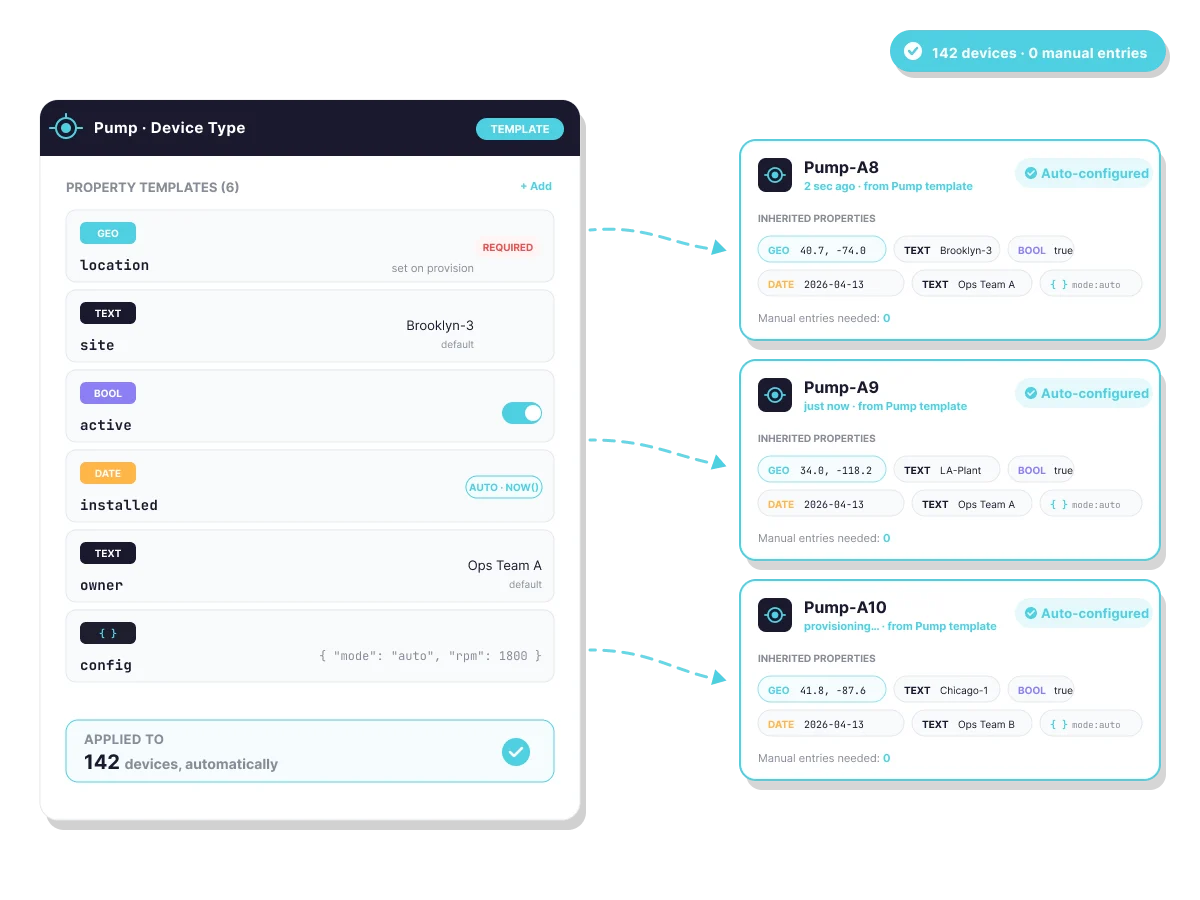
Use Device Types to pre-configure property templates that are applied instantly whenever a new device of that type is created — no manual entry needed at scale.
Use property values to filter your device list, drive conditional logic in events, and segment your fleet for targeted operations and reporting.


Key Features
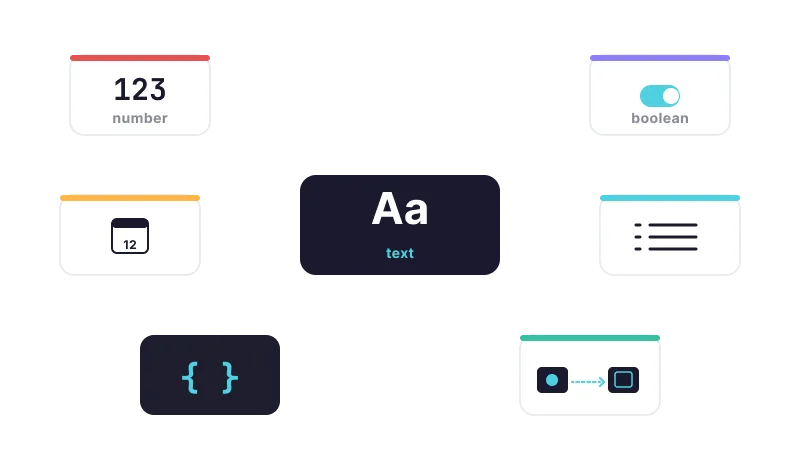
Define properties as text, number, boolean, date, list, JSON, or device reference to match any data structure.

Name and label each property using your own terminology for a consistent, domain-specific device inventory.

Pre-configure properties in a Device Type and have them applied to every new device automatically on creation.
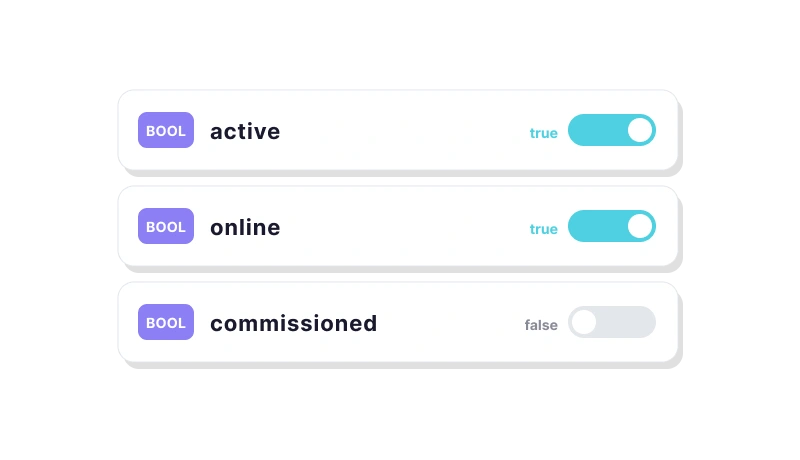
Track binary states like active/inactive, online/offline, or commissioned/decommissioned with simple toggle properties.
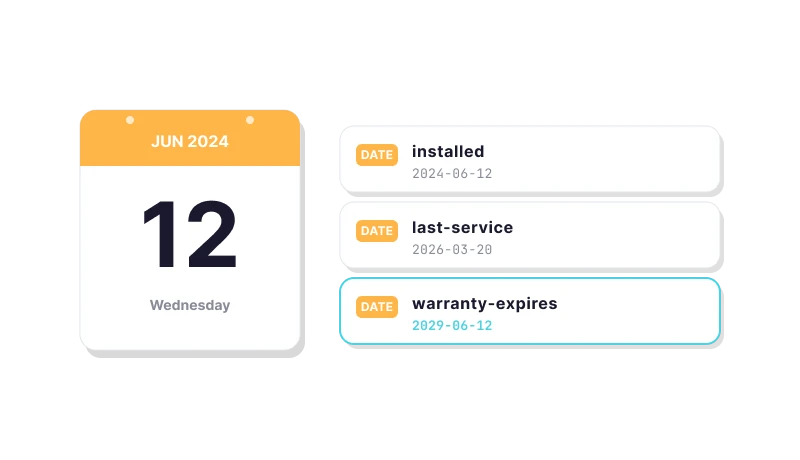
Record installation dates, last maintenance times, warranty expirations, and other time-based metadata per device.

Store complex, nested metadata in a single property field for advanced use cases and system integrations.

Link devices to one another by referencing other devices as property values, enabling relational fleet modeling.
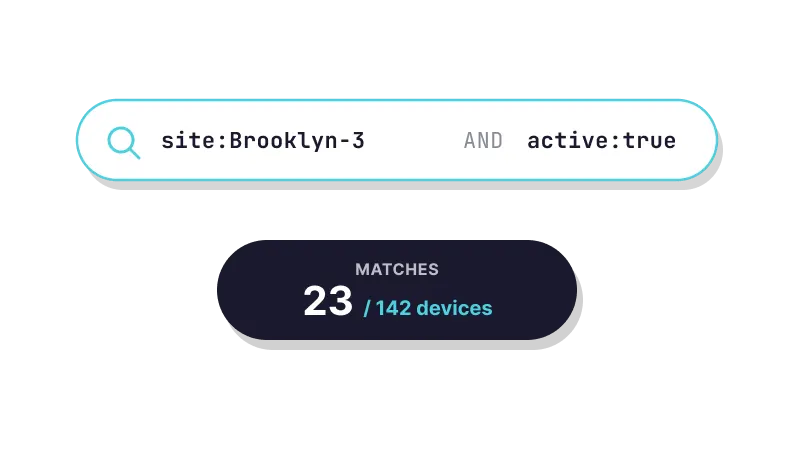
Instantly filter your entire device list by any property value to locate, segment, and act on specific devices.
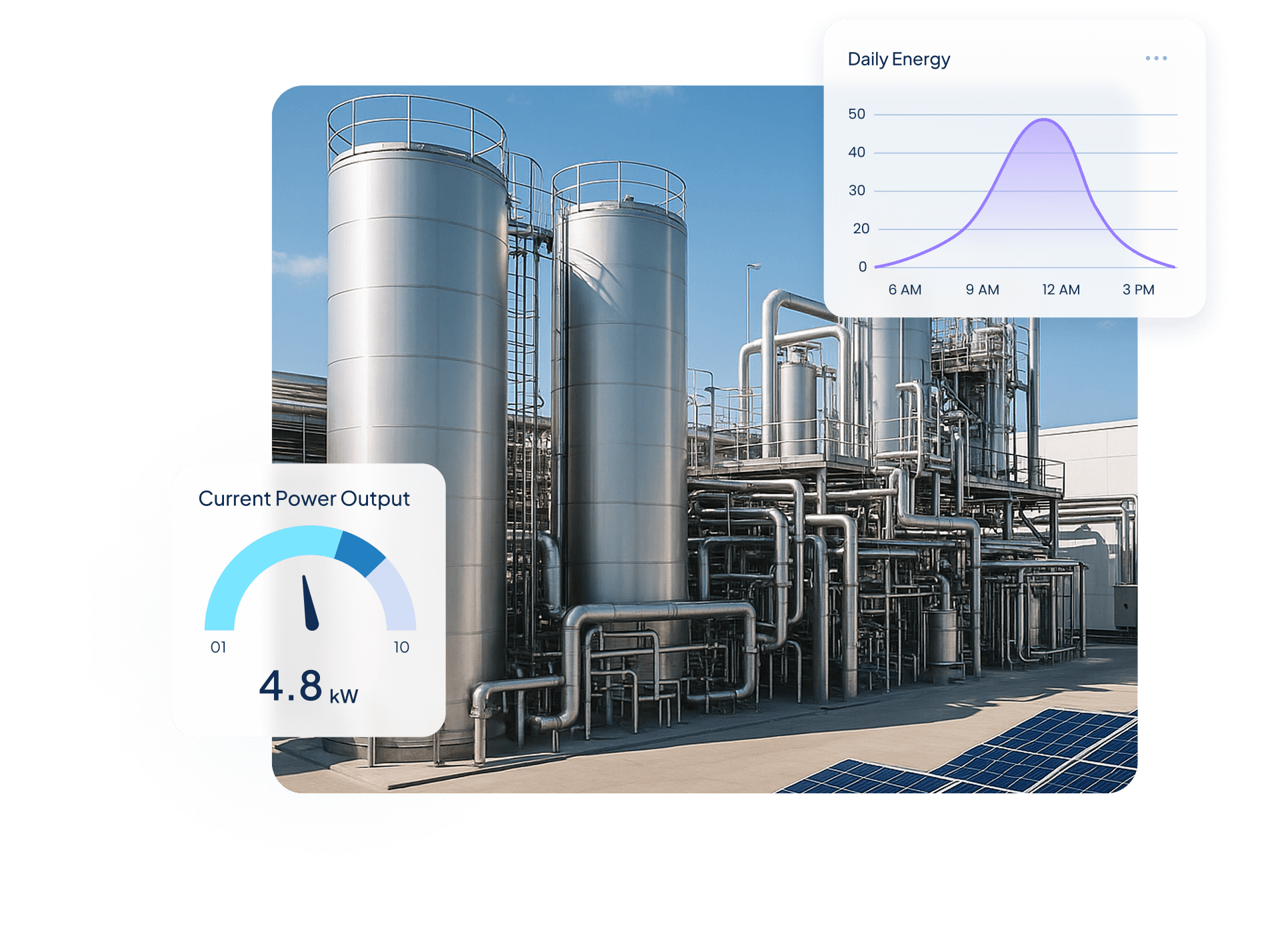
Quantify Environmental uses wireless IoT sensors and Ubidots dashboards to turn utility data into real-time insights, helping industrial clients monitor water, energy, and gas use, detect inefficiencies, and act before costs rise.

$250,000+ in annual client savings through optimized water, electricity, and gas consumption.
Millions of liters of fresh water conserved and tons of CO₂ emissions prevented driving measurable sustainability outcomes.
Improved operational oversight with real-time visibility into utility usage and equipment performance.
Success Story


Use Cases


Steve Barker
Founder & CEO
Prospect Control uses Ubidots to deliver remote tank level monitoring for industrial customers, replacing complex PLC/SCADA setups with a scalable, web-based IoT solution.
Results:


Darryl Schembri
General Manager
AIS Technology uses Ubidots to monitor electricity, water, and gas consumption across multi-tenant buildings, enabling real-time visibility, automated billing, and faster response to inefficiencies.
Results:


Onofre Tamargo
CEO & Cofounder
S4IoT uses Ubidots to remotely monitor irrigation systems in urban gardens, helping clients reduce maintenance costs, prevent plant loss, and shift from manual operations to a scalable subscription-based model.
Results:


Help & Support
Have questions about Ubidots? Here are some ofthe most common queries to help you get started.

Device Variables store time-series sensor readings that update frequently and retain a full history of values over time. Device Properties are static metadata — descriptive attributes like location, installation date, firmware version, or owner that rarely change and don’t require historical tracking. Properties describe what a device is; variables capture what it measures.
Ubidots supports seven property formats: text (up to 255 characters), number (float values), true/false (boolean), date, list (a predefined set of text options), JSON (a full JSON object), and device reference (a pointer to another device in your account). This flexibility lets you capture any kind of contextual metadata your operation requires.
Yes. Property values — including JSON properties — can be referenced in Ubidots Events to drive conditional logic. For example, you can use a boolean property as a condition flag or include a JSON property as the payload for a webhook or notification. This allows properties to play an active role in your automation workflows, not just as static labels.