



Benefits

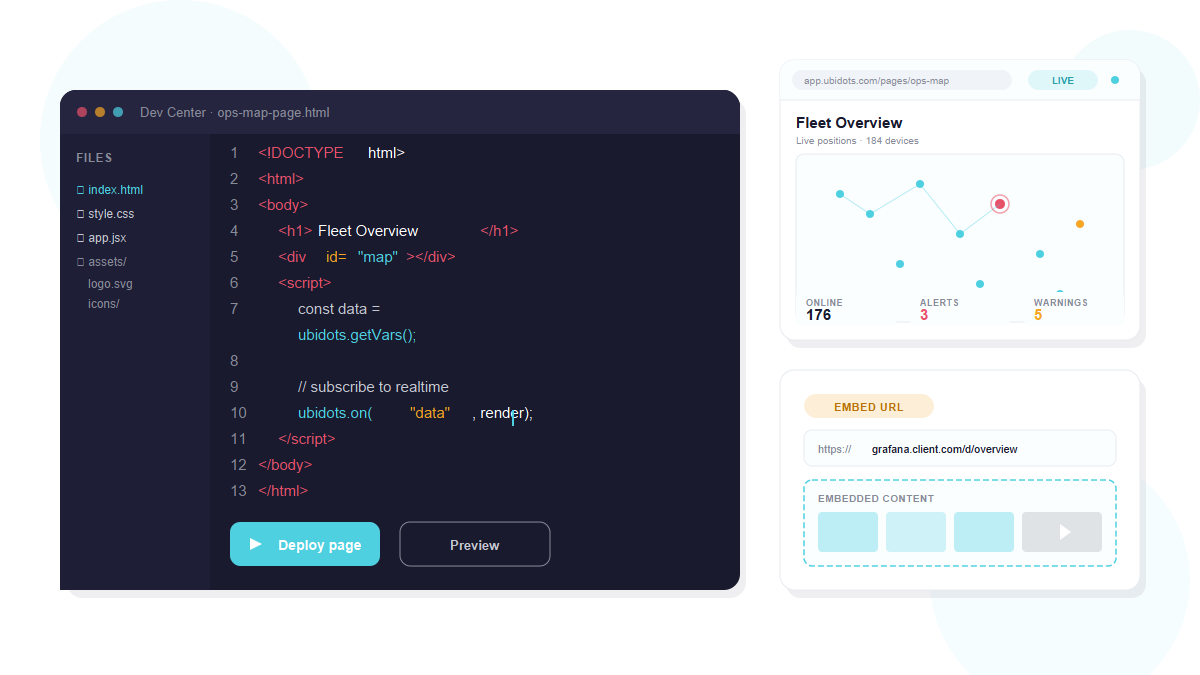
Build lightweight, purpose-built UIs with HTML, JavaScript, or React and deploy them directly on Ubidots dashboards.

Embed any external URL, video, or third-party app directly inside your dashboard without leaving Ubidots.

Pages use the entire dashboard width and height, giving your custom content room beyond widget containers.

Publish custom pages as standalone public URLs, not just inside dashboards.

Custom pages connect to date-time pickers, device selectors, and real-time data controls natively.

Code, preview, and deploy pages from Ubidots without external hosting or infrastructure.

See It in Action

How it Works
Pages gives you two powerful options: build a fully custom interface from scratch using web technologies, or embed any existing external content directly inside your dashboard—both without leaving Ubidots.
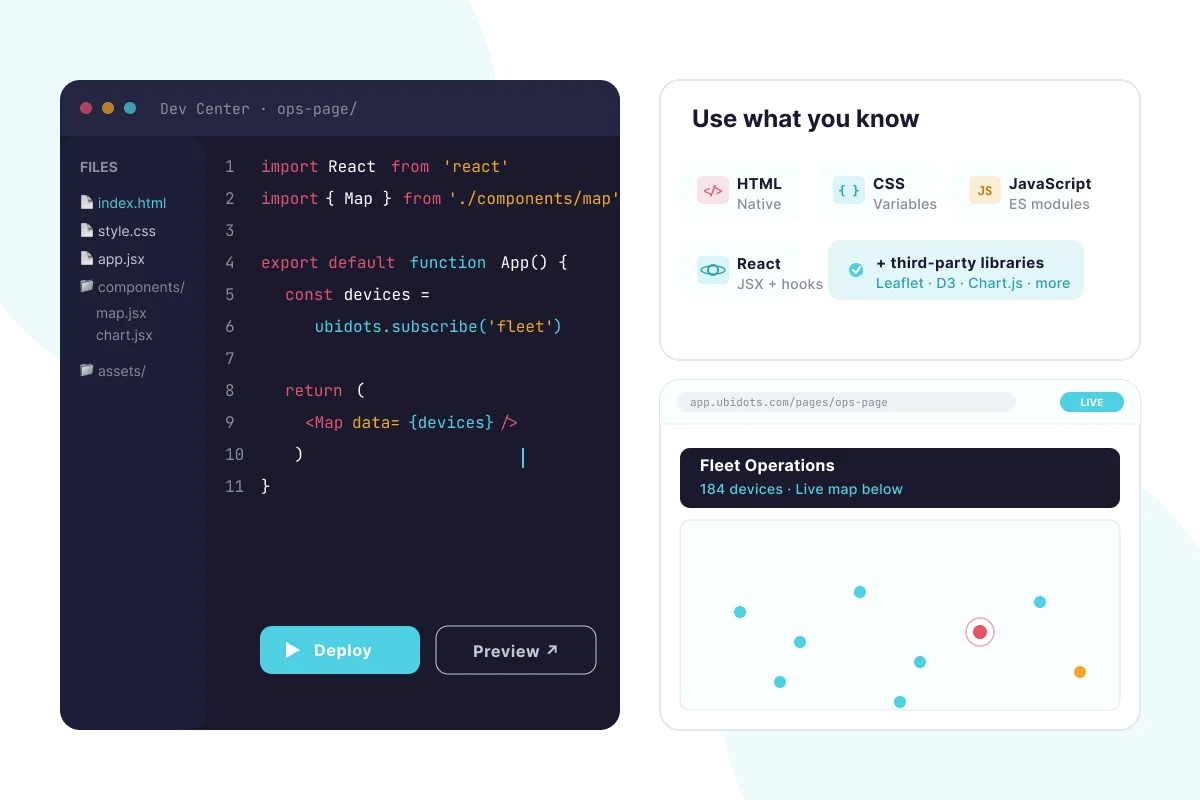
Write, preview, and deploy purpose-built interfaces on your dashboards. Structure your page with HTML, style it with CSS, add logic with JavaScript or React—Ubidots handles hosting and URL generation automatically.


Paste any external URL—a third-party app, video stream, or business tool—into your dashboard settings and it appears inline. No code required. Keep all critical operational content in one place.
Pages take over the entire dashboard canvas for immersive display, or publish them as standalone public URLs. Either way, they stay connected to live device data, date pickers, and dashboard controls.


Key Features
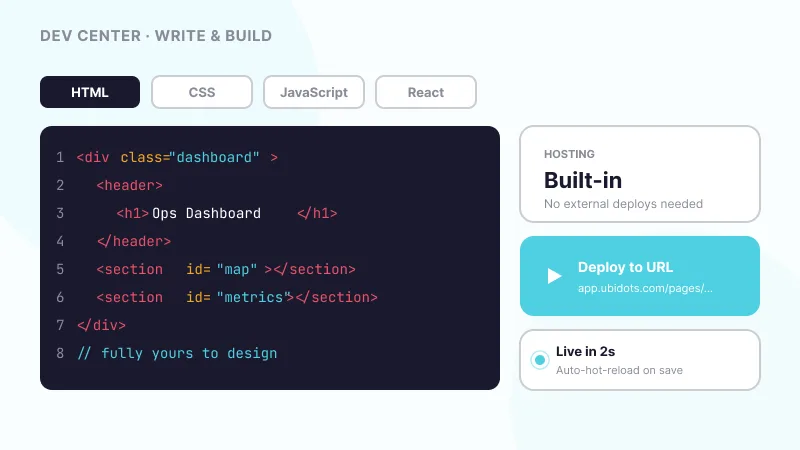
Build lightweight, purpose-built UIs using HTML, JavaScript, and React with Ubidots' Dev Center.
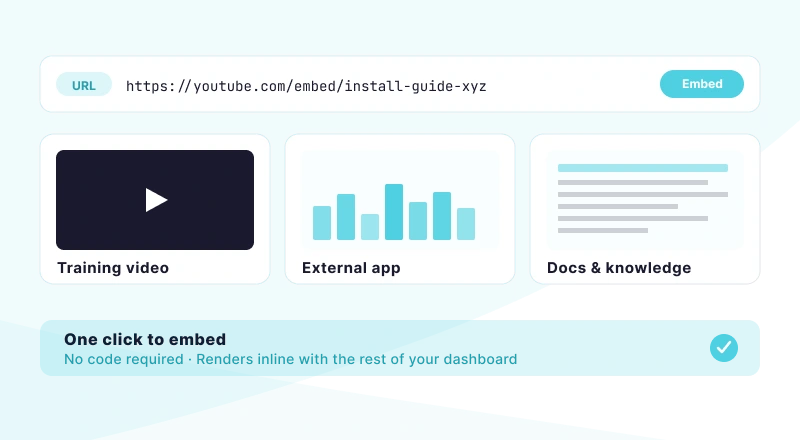
Embed external URLs, videos, and third-party apps directly inside any dashboard.

Pages render across the entire dashboard width and height, beyond widget container limits.
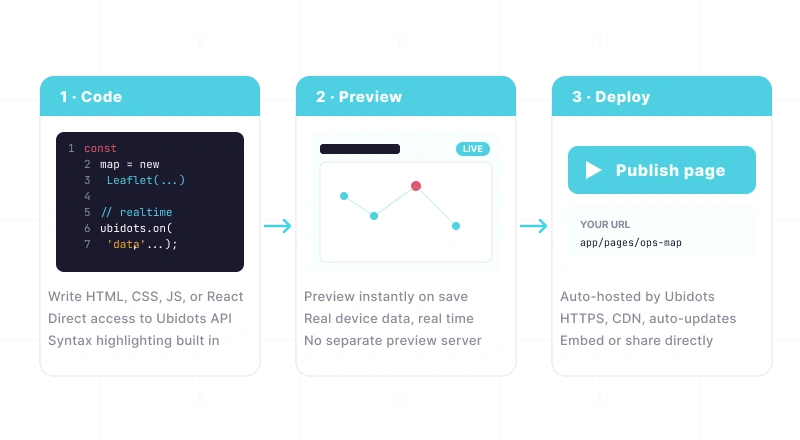
Code, preview, and deploy pages without leaving Ubidots or setting up external hosting.
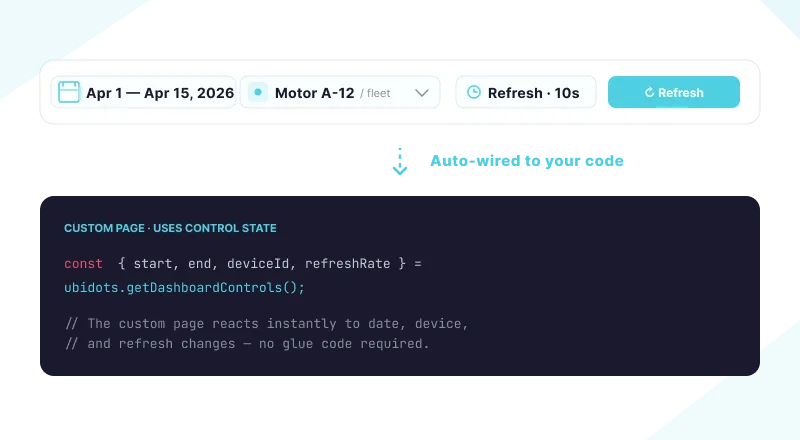
Custom interfaces connect to date pickers, device selectors, and real-time refresh automatically.
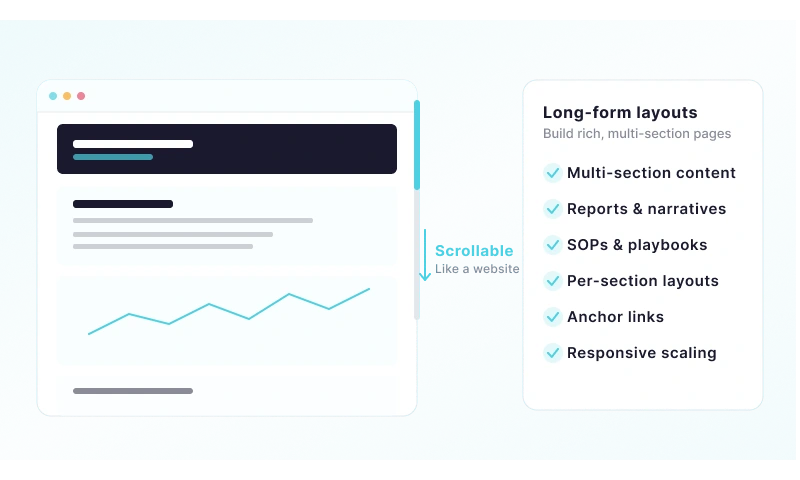
Build long-form, scrollable interfaces that behave like standard websites.

Organize pages with dedicated HTML, CSS, JS, and static asset folders for clean, maintainable code.
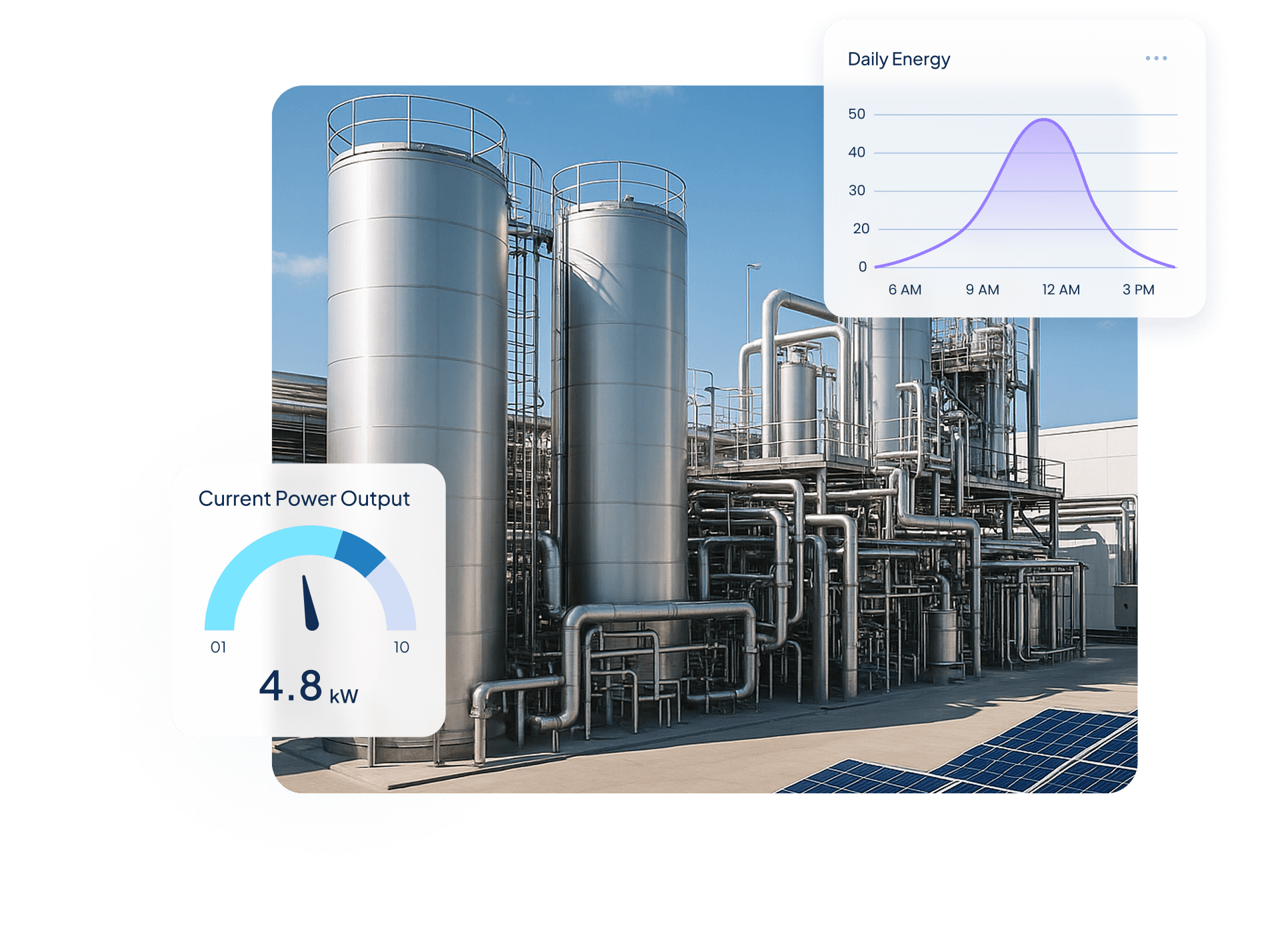
Quantify Environmental uses wireless IoT sensors and Ubidots dashboards to turn utility data into real-time insights, helping industrial clients monitor water, energy, and gas use, detect inefficiencies, and act before costs rise.

$250,000+ in annual client savings through optimized water, electricity, and gas consumption.
Millions of liters of fresh water conserved and tons of CO₂ emissions prevented driving measurable sustainability outcomes.
Improved operational oversight with real-time visibility into utility usage and equipment performance.
Success Story


Use Cases


Steve Barker
Founder & CEO
Prospect Control uses Ubidots to deliver remote tank level monitoring for industrial customers, replacing complex PLC/SCADA setups with a scalable, web-based IoT solution.
Results:


Darryl Schembri
General Manager
AIS Technology uses Ubidots to monitor electricity, water, and gas consumption across multi-tenant buildings, enabling real-time visibility, automated billing, and faster response to inefficiencies.
Results:

Onofre Tamargo
CEO & Cofounder
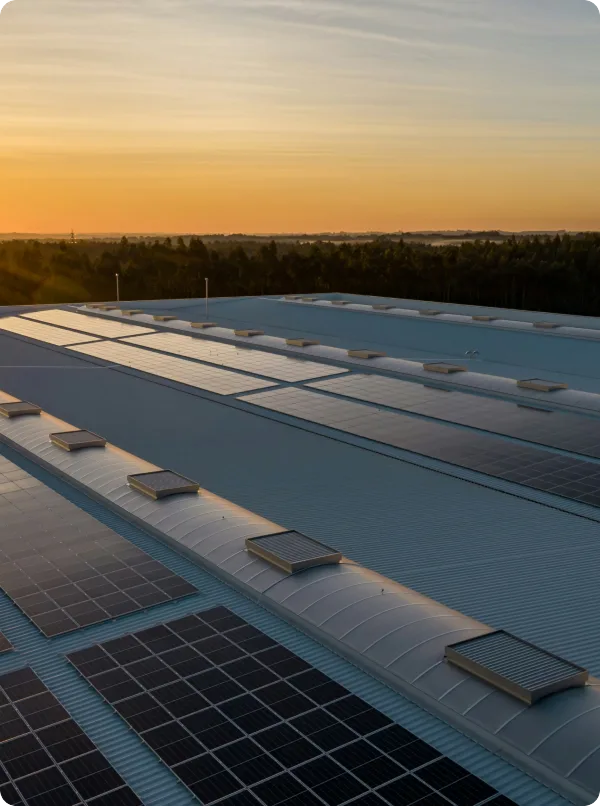
S4IoT uses Ubidots to remotely monitor irrigation systems in urban gardens, helping clients reduce maintenance costs, prevent plant loss, and shift from manual operations to a scalable subscription-based model.
Results:


Help & Support
Have questions about Ubidots? Here are some ofthe most common queries to help you get started.

The key difference is canvas size. An HTML Canvas widget is constrained to its container within the dashboard grid. A Page occupies the full width and height of the dashboard, giving you the same visual real estate as a complete website — including vertical scrolling. Use HTML Canvas for embedded chart components; use Pages when you need to build a full, purpose-built interface.
Yes. Ubidots Pages support external URL embedding — paste any URL (a third-party app, video stream, BI tool, or business platform) directly into the page settings, and it renders full-screen within your dashboard. No coding is required for this method, making it an easy way to consolidate external tools alongside your IoT data in a single view.
Yes. Pages maintain full interactivity with native Ubidots dashboard controls — including the date/time picker, device selector for dynamic dashboards, and the real-time refresh button. This means your custom-built interfaces stay in sync with the same context controls used by standard widgets, without any additional integration work.
Pages are available on Enterprise plans only. The maximum upload size for a custom page (packaged as a ZIP containing HTML, CSS, JS, and assets) is 5 MB. Ubidots handles hosting and URL generation automatically — no external infrastructure required. To get access, contact the Ubidots sales team at sales@ubidots.com for pricing and availability.