



Benefits

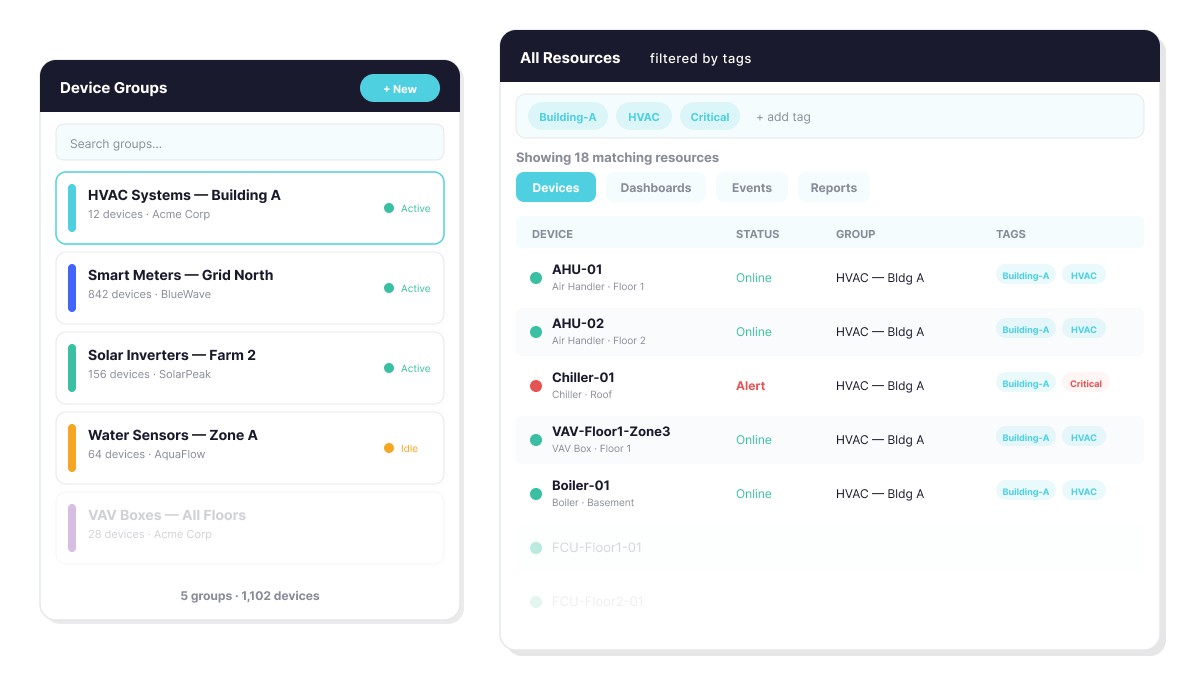
Apply changes, events, and org assignments to hundreds of devices at once using groups.

Find any device, dashboard, report, or event in seconds by filtering with tags.

Restrict what each user sees by matching tags on resources to tags on users.

Structure your IoT fleet by location, device type, customer, or project — however your operations demand.

Apply tags consistently across devices, dashboards, events, and reports for a unified view.

Query tagged entities programmatically via the Ubidots API for seamless integration with external systems.

See It in Action


How it Works
Groups and Tags give you two complementary ways to organize your IoT environment — groups for bulk device operations, tags for flexible labeling and access control across every resource type.
Create device groups to manage hundreds of assets as a single unit. Assign groups to organizations, trigger bulk events, and move entire fleets between organizational units in one action.


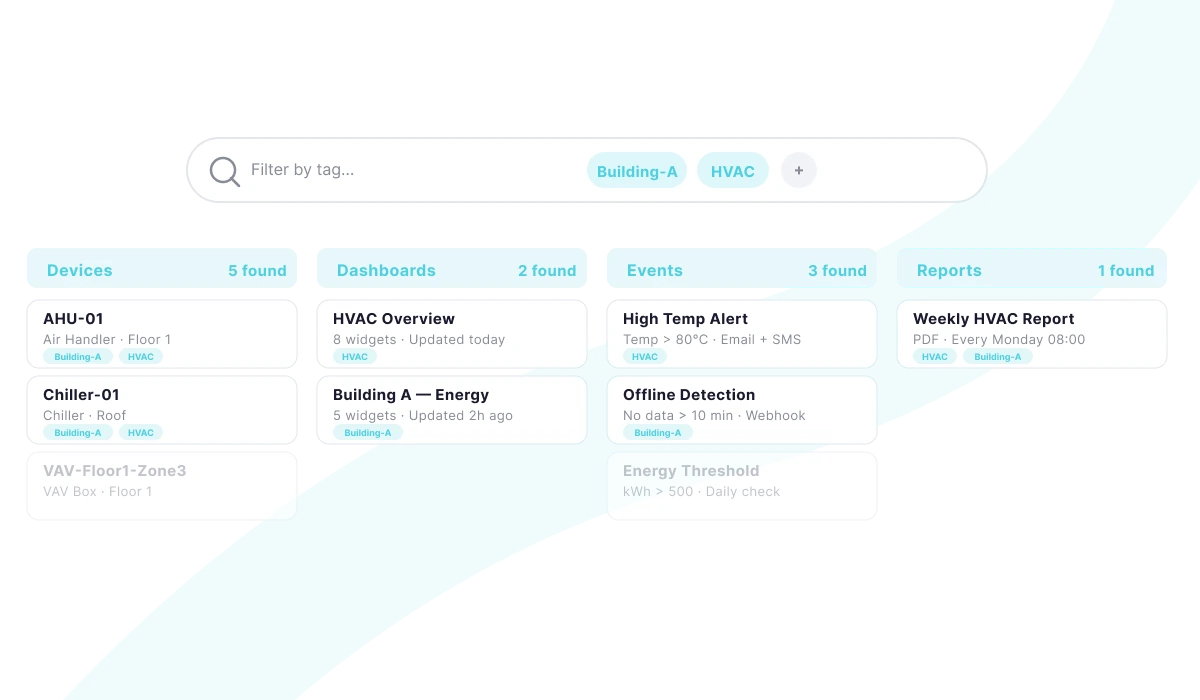
Apply up to 20 tags to any device, dashboard, report, or event. Filter resources instantly using the search bar or retrieve tagged entities via the API.
Assign tags to users and matching resources so each user only sees what’s relevant to them. Ideal for multi-tenant environments and teams with distinct operational responsibilities.


Key Features

Organize devices into named groups and manage them collectively from a single interface.

Link an entire device group to an organization in one action, applying the assignment to all member devices simultaneously.

Add or remove individual devices from groups at any time without disrupting the rest of the fleet.
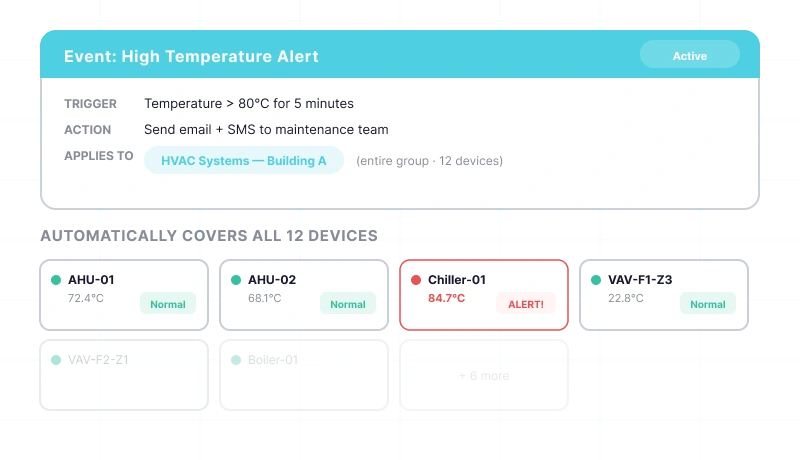
Create events and alerts that apply across an entire device group, eliminating repetitive rule setup.

Apply tags to devices, dashboards, reports, and events to keep your entire IoT environment organized.

Assign tags to users to automatically restrict their view to only the resources that share those tags.
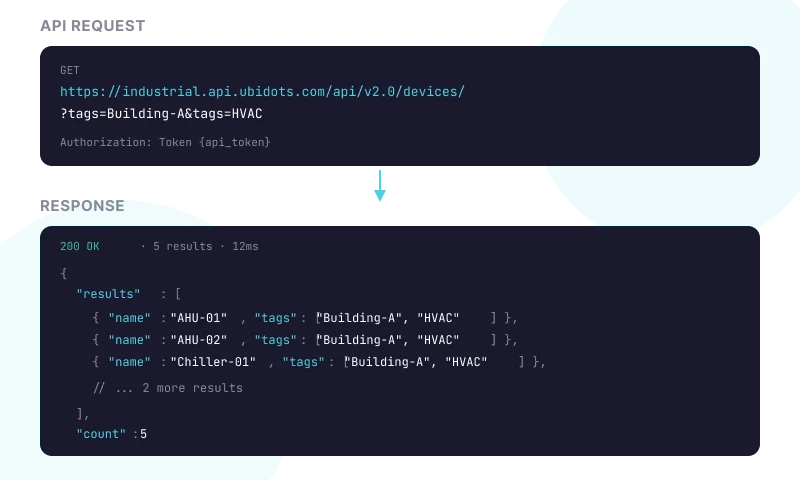
Retrieve tagged entities programmatically via GET requests for integration with external tools and workflows.

Use up to 20 tags per entity with case-insensitive matching for consistent, human-friendly organization.
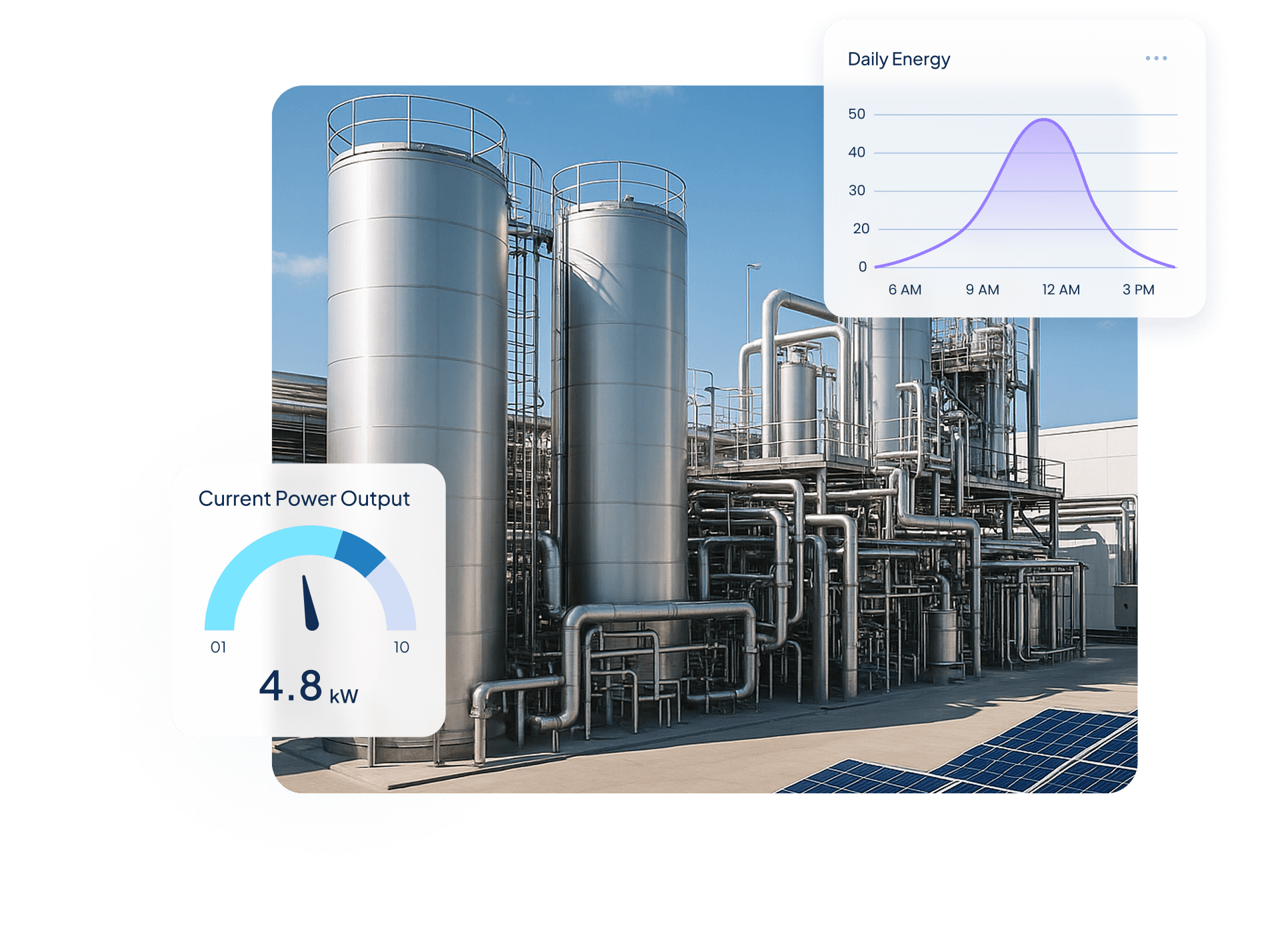
Quantify Environmental uses wireless IoT sensors and Ubidots dashboards to turn utility data into real-time insights, helping industrial clients monitor water, energy, and gas use, detect inefficiencies, and act before costs rise.

$250,000+ in annual client savings through optimized water, electricity, and gas consumption.
Millions of liters of fresh water conserved and tons of CO₂ emissions prevented driving measurable sustainability outcomes.
Improved operational oversight with real-time visibility into utility usage and equipment performance.
Success Story


Use Cases


Steve Barker
Founder & CEO
Prospect Control uses Ubidots to deliver remote tank level monitoring for industrial customers, replacing complex PLC/SCADA setups with a scalable, web-based IoT solution.
Results:


Darryl Schembri
General Manager
AIS Technology uses Ubidots to monitor electricity, water, and gas consumption across multi-tenant buildings, enabling real-time visibility, automated billing, and faster response to inefficiencies.
Results:


Onofre Tamargo
CEO & Cofounder
S4IoT uses Ubidots to remotely monitor irrigation systems in urban gardens, helping clients reduce maintenance costs, prevent plant loss, and shift from manual operations to a scalable subscription-based model.
Results:


Help & Support
Have questions about Ubidots? Here are some ofthe most common queries to help you get started.

Groups and Tags serve different purposes. Device Groups couple devices together for bulk operations — such as assigning an entire fleet to an organization or triggering a global event across all grouped devices. Tags are flexible labels you can apply to any resource (devices, dashboards, events, reports) for filtering, search, and access control. Groups act on devices; tags organize everything.
Device Groups let you act on many devices at once: add or move an entire group into an organization, trigger a Global Event that monitors all devices in the group simultaneously, or reassign devices between organizational units in a single action. This eliminates the need to configure each device individually as your fleet grows.
You can apply up to 20 tags per resource. Tags work across all resource types — devices, dashboards, events, and reports — letting you apply consistent labels throughout your account. Tagged resources can be filtered instantly in the Ubidots interface or retrieved programmatically via the API, making it easy to manage large fleets organized by location, type, or customer.
Yes. Ubidots supports tag-based access segmentation: assign tags to users and apply matching tags to resources, and each user will only see the devices, dashboards, and events that share their tags. This makes tags a practical tool for multi-tenant deployments where different clients or teams should have visibility into only their own resources.