Industries
Connect urban assets, streamline municipal services, and make data-driven decisions across the city with IoT.





Benefits

Monitor street lighting, traffic systems, waste management, and utilities across the entire city from a single real-time platform.

Use sensor data to detect faults in public infrastructure before they become service outages — reducing repair costs and citizen complaints.

Connect city assets deployed across diverse neighborhoods through LoRaWAN, NB-IoT, cellular, and other IoT networks — all feeding into one platform.

IoT in Action


Product Overview
Transform data from city sensors, public infrastructure, and connected assets into real-time insights that help municipalities respond faster, spend smarter, and serve citizens better.
With Ubidots, your entire city infrastructure can report to a centralized operations dashboard in real time — from street lights and traffic signals to water networks and waste containers. Ubidots empowers smart city integrators and municipal technology teams to build data-driven, cloud-based applications that give every department the visibility it needs.


Across the globe, municipalities are under increasing pressure to modernize aging infrastructure, reduce operational costs, and deliver better services with tighter budgets. Smart city integrators turn to Ubidots for sensor data collection, analytics, and visualizations that help detect infrastructure faults early, optimize energy consumption, and track key urban performance KPIs such as asset uptime, incident response times, and per-district energy usage.
Whether you're deploying sensors across a city-wide LoRaWAN network, connecting assets over NB-IoT or cellular, or integrating legacy municipal systems through HTTP and MQTT, Ubidots gives municipal technology teams and smart city integrators the APIs, serverless functions, and role-based access controls they need to roll out urban IoT applications at scale — one district at a time.


Key Features
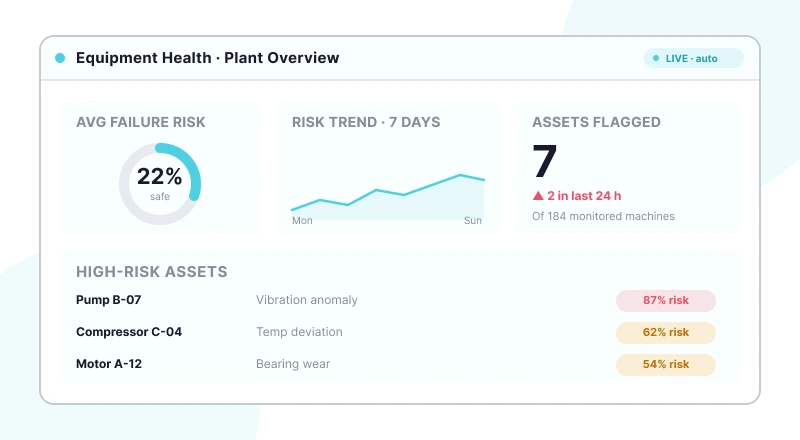
Visualize equipment health, predictions, and maintenance status in customizable live dashboards.
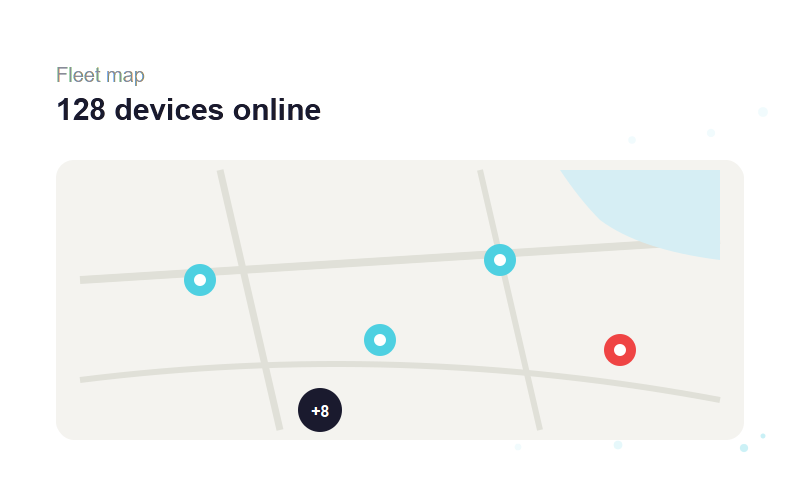
Show device locations on an interactive map with real-time status indicators per device.
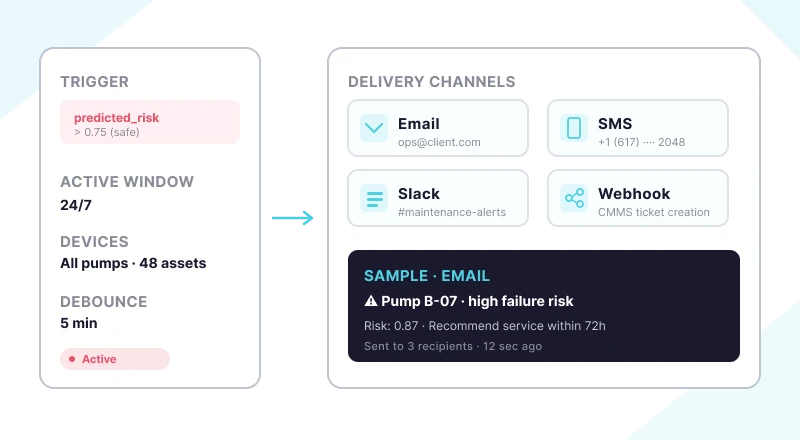
Receive instant notifications when sensor readings exceed predicted safe operating thresholds.
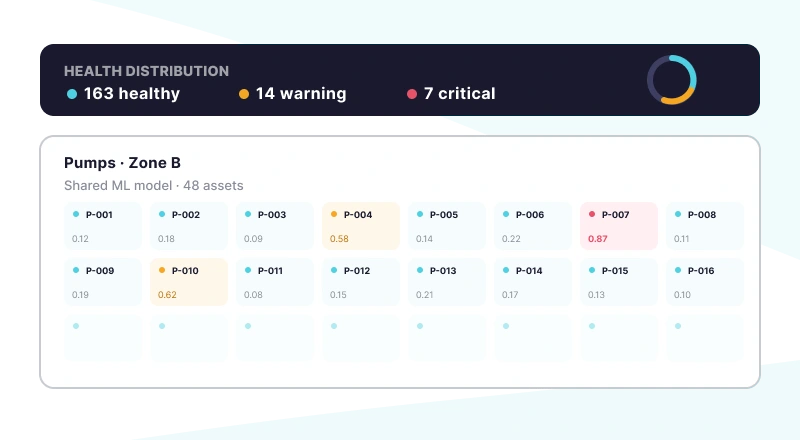
Apply predictive models across entire fleets of machines from a single unified view.
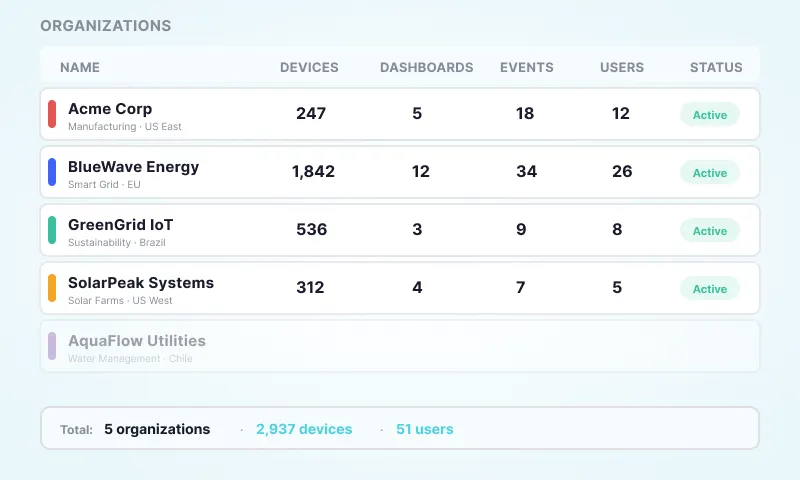
Group devices, dashboards, and events into organizations representing clients, departments, or locations.

Use MQTT subscriptions to push commands and configuration updates back to connected devices in real time.
Quantify Environmental uses wireless IoT sensors and Ubidots dashboards to turn utility data into real-time insights, helping industrial clients monitor water, energy, and gas use, detect inefficiencies, and act before costs rise.

$250,000+ in annual client savings through optimized water, electricity, and gas consumption.
Millions of liters of fresh water conserved and tons of CO₂ emissions prevented driving measurable sustainability outcomes.
Improved operational oversight with real-time visibility into utility usage and equipment performance.
Success Story


Use Cases


Steve Barker
Founder & CEO
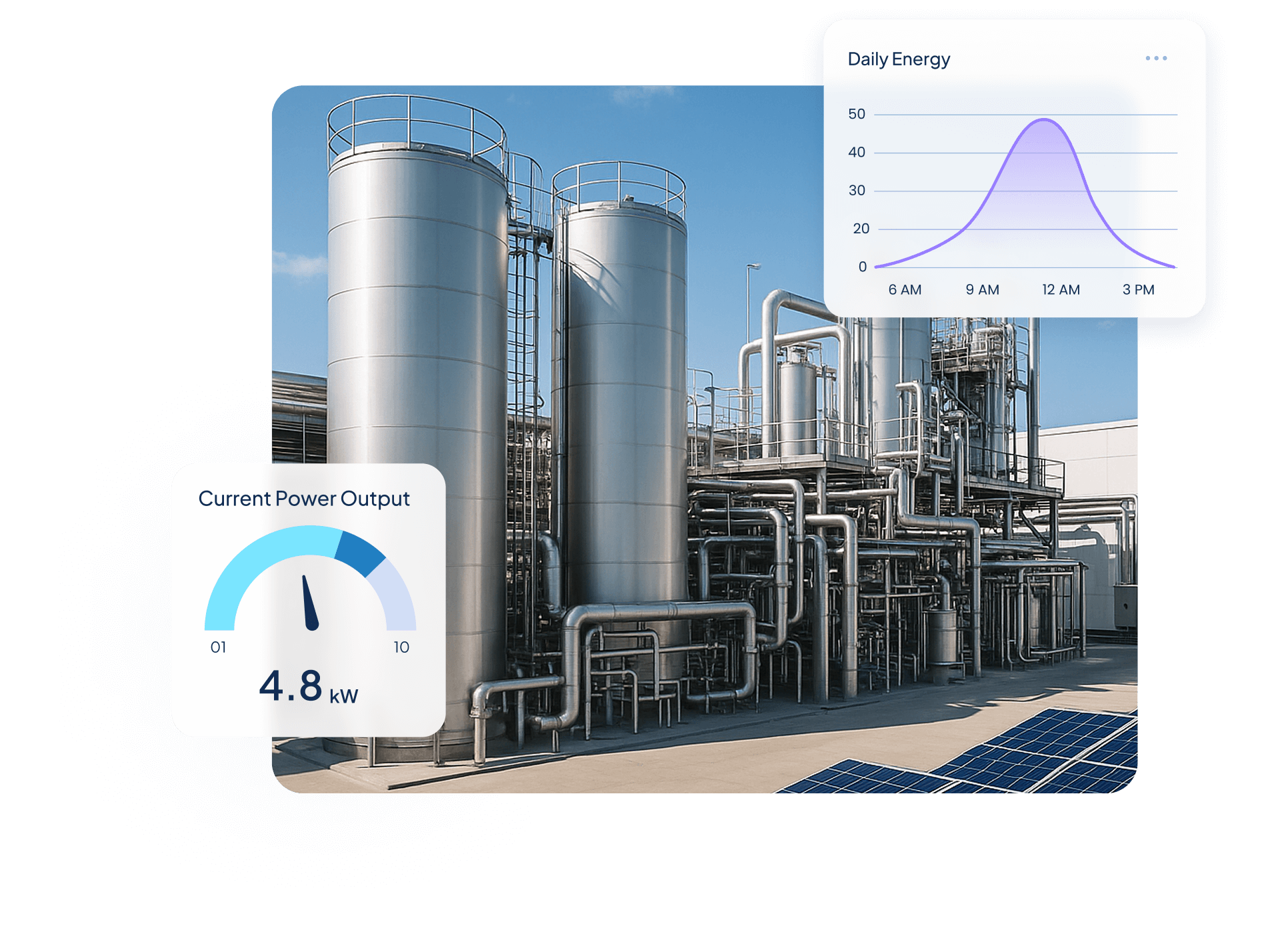
Prospect Control uses Ubidots to deliver remote tank level monitoring for industrial customers, replacing complex PLC/SCADA setups with a scalable, web-based IoT solution.
Results:

Darryl Schembri
General Manager
AIS Technology uses Ubidots to monitor electricity, water, and gas consumption across multi-tenant buildings, enabling real-time visibility, automated billing, and faster response to inefficiencies.
Results:

Onofre Tamargo
CEO & Cofounder
S4IoT uses Ubidots to remotely monitor irrigation systems in urban gardens, helping clients reduce maintenance costs, prevent plant loss, and shift from manual operations to a scalable subscription-based model.
Results:


Help & Support
Have questions about Ubidots? Here are some ofthe most common queries to help you get started.

Any connected asset that can send data over the network: street lighting, traffic systems, waste containers, water networks, and other municipal utilities. Devices connect over LoRaWAN, NB-IoT, cellular, MQTT, or HTTP, and all report into one platform. The Map widget shows every asset's location with a live status indicator, and automated alerts flag faults — a failed light, a full container, a pressure drop — so crews are dispatched before citizens report the problem.
Ubidots organizations let you group devices, dashboards, and alerts by department, district, or contractor, with each organization isolated from the others. Roles control what each user can view or change, from view-only dashboard access to full management, and you can create custom roles for your own structure. A single user can belong to several organizations with a different role in each — useful for a city operations center that needs citywide visibility while each department manages only its own assets.
Yes, for devices that support it. Ubidots supports cloud-to-device communication over MQTT: a device that keeps an active MQTT connection can subscribe to topics and receive commands or configuration changes in real time. Events can push those commands automatically — for example, changing a lighting setpoint when a sensor condition is met or on a schedule. Whether a given asset can be controlled depends on its controller accepting commands over MQTT.
Yes. Systems that can send HTTP or MQTT data connect directly, and for non-standard formats, UbiFunctions can act as a custom HTTP ingestion gateway that decodes the payload before it's stored. In the other direction, Events can call webhooks and UbiFunctions can make outbound requests, so an alert can open a work order or update an existing system rather than living only in Ubidots. All of this runs serverless, with no infrastructure for the city to host.